
Capture the issue. Start the right response.
Centralize failure reporting information, identify equipment and treatment needs before organizing work.
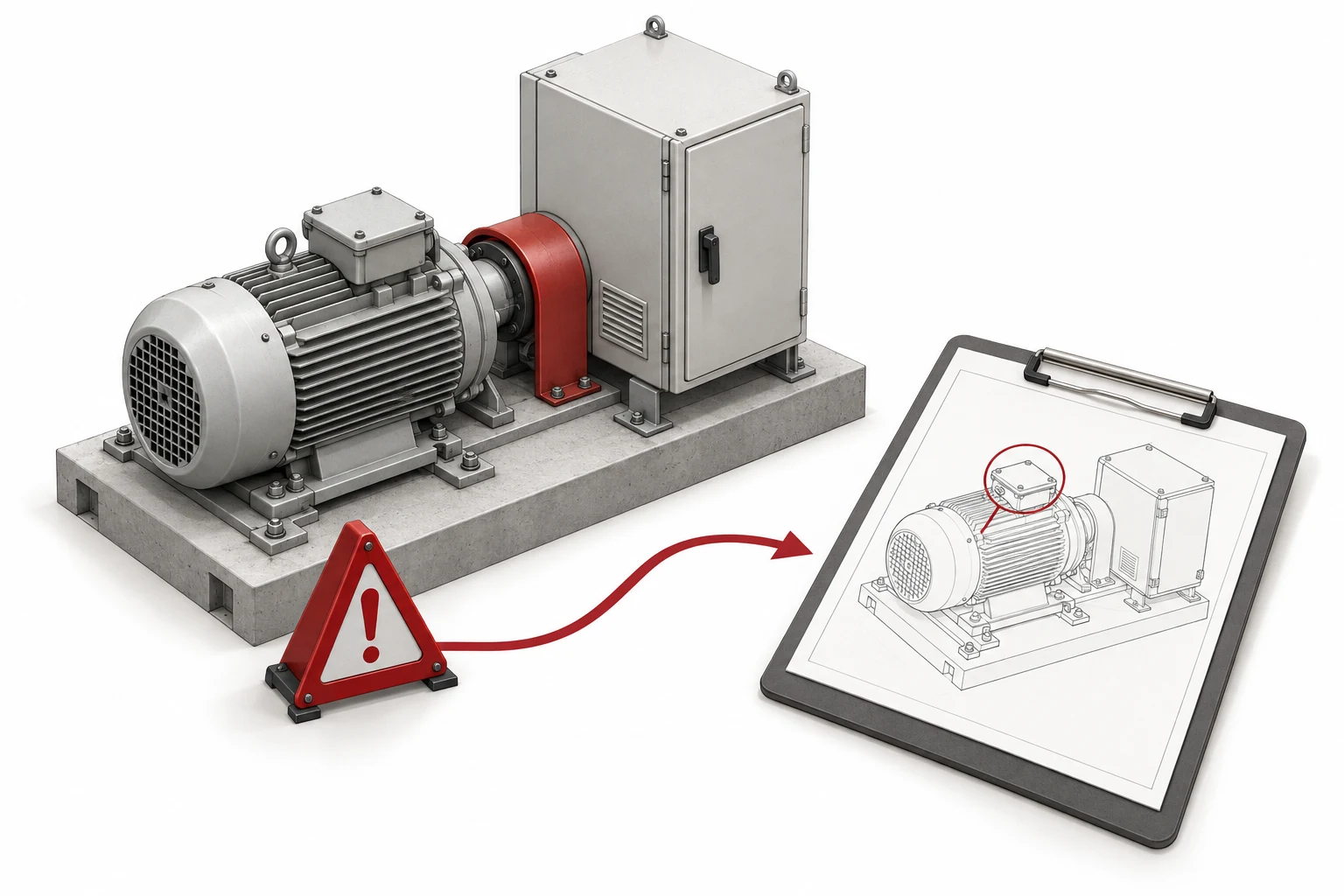
Common difficulties
When information is scattered, teams must take the time to find context before starting. Standardizing data and processing leads is the first step to make work more clearly coordinated.
Send request
Clearly state the problem, device or location, and observed symptoms. Information with context helps the recipient evaluate instead of having to ask again from the beginning.
Receiving and classifying
Assess the level of impact, urgency and professional groups that need to coordinate. Each request should have a clear receiving point.
Turn into work
Once you have determined the scope that needs to be handled, organize the work with the person in charge, resources and deadlines. Stay connected to the problem that was initially noted.
Updates and feedback
The sender needs to know if the request is under review, has been processed, or needs more information. Feedback content should be brief and reflect the actual situation.
Record the right device and enough context
Business information according to solution document CMMS. Configuration and scope of application are agreed with the business.
Report incidents by property
Identify assets, locations and phenomena; Attach photos so the recipient has a basis for evaluation.
Receiving & prioritizing
Coordinate the impact level, request status, and resource needs before organizing work orders.
Follow up and process
Maintain contact between the original request, the person in charge and the processing work; Reduce re-questioning through multiple channels.
Conditions at the scene
Clarifies mobile devices, connectivity and network outage recording requirements within the deployment scope.
Frequently asked questions
Useful information before starting.
Starting from your needs.
A specific situation is the starting point for a productive conversation.
Talk to our team